
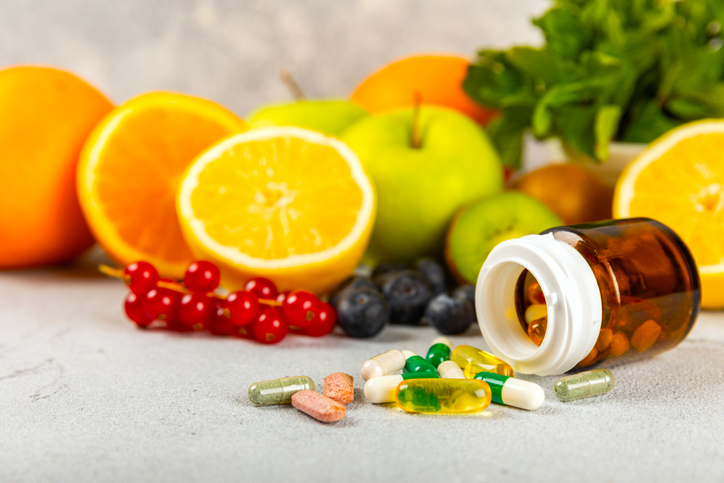
Many people take dietary supplements such as vitamins, minerals, or herbs to improve their health. It is easy to assume these products are safe as they can be readily found in stores and are usually made with natural ingredients. However, supplements are not necessarily safe, especially when taken with medicines. Let’s look at how food and supplements can interact with medicines.
Category: Medicine Safety

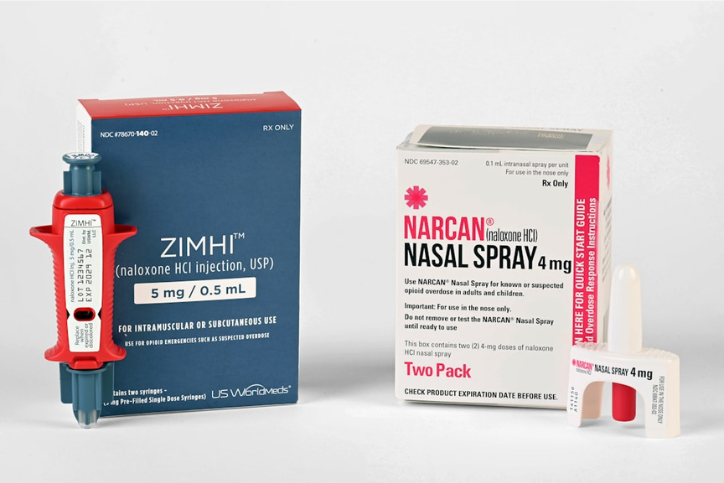
The abuse of prescription and non-prescription opioids is one of the largest public health threats in the U.S. today. Naloxone is widely recognized as a life-saving medicine that can quickly and temporarily reverse an opioid overdose. In this blog, we’ll discuss naloxone, how it works, and important information to know about preventing opioid overdose deaths.

Chances are you have used an over-the-counter (OTC) medicine to treat a headache, relieve allergy symptoms, or manage a cold. Like prescription medicines, OTC medicines should be used as instructed on the label. In this blog, we’ll cover the basics of OTC medicines and ways to make sure they are being used and stored safely.

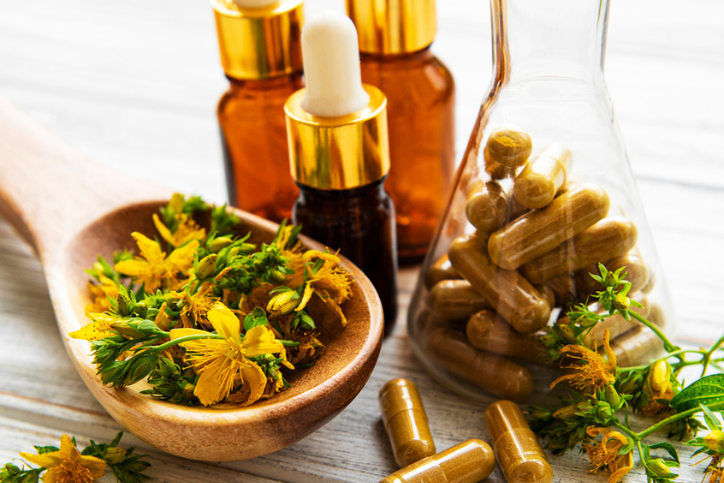
St. John’s Wort is an herbal supplement made from the yellow flowers and leaves of the shrub Hypericum perforatum. It is widely used to relieve symptoms from depression, anxiety, sleep disorders, menopause, and more.

If you take a stroll down the vitamin aisle at your local store, chances are you’ll be able to find the vitamin you’re looking for in gummy form!
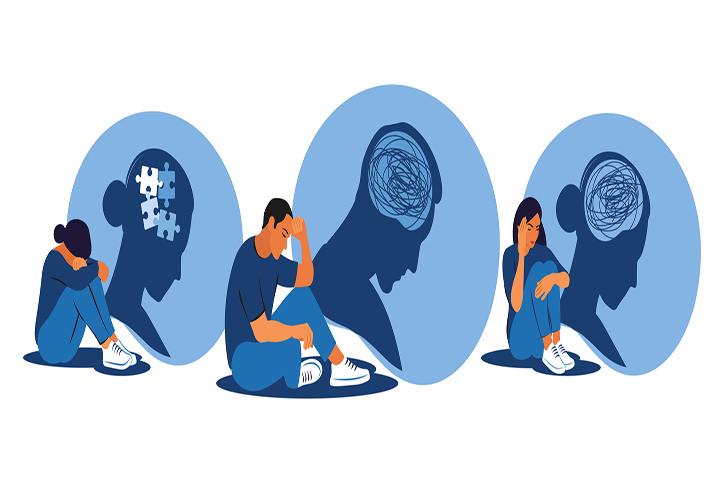
Antidepressants are medicines that are prescribed to treat symptoms of depression, anxiety, and other mental health conditions. Sometimes they are prescribed for other conditions such as chronic pain, sleeping disorders, and migraine.

If you have watched or read the news within the past few months, chances are you’ve heard about semaglutide, commonly known by brand names such as Ozempic, Wegovy, and Rybelsus. It’s a common topic in the news and on social media, promoted for its benefits and its use becoming increasingly popular.
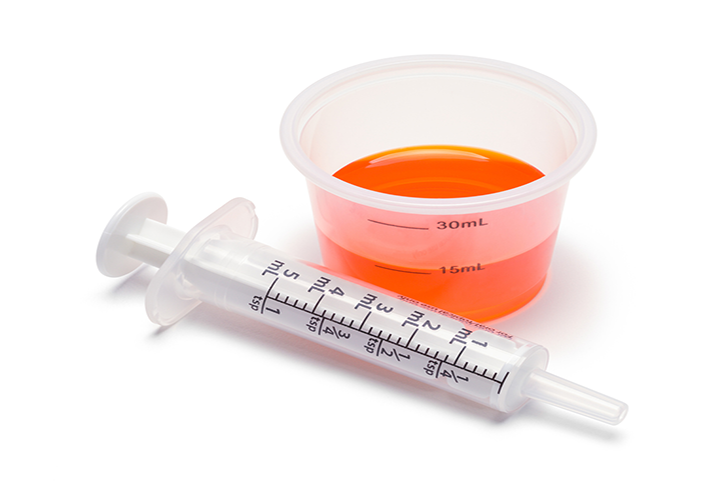
Measuring medicine, also called dosing, can be confusing! Health care providers and pharmacists may use terms such as milligrams (mg), milliliters (mL), micrograms (mcg), grams (g or gm), international units (IU), or other units of measure when talking about medicine.
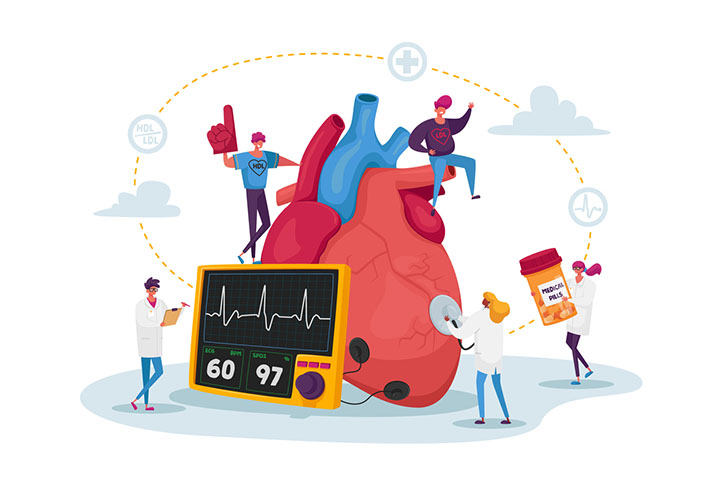
Cardiovascular (heart) medicines are used to treat diseases of the heart and high blood pressure. According to the Centers for Disease Control and Prevention, one of the most common prescription drugs taken by adults are for cardiovascular disease.

Pre-teens and teens make up about 17 percent of cases managed by the Maryland Poison Center annually. Studies suggest you should start talking with children about substances when they are an early pre-teen. Let’s review medicines and other substances they may be using.