

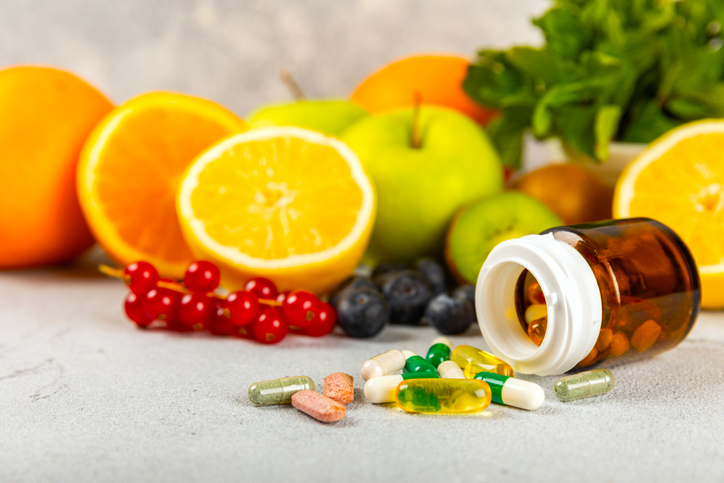
Many people take dietary supplements such as vitamins, minerals, or herbs to improve their health. It is easy to assume these products are safe as they can be readily found in stores and are usually made with natural ingredients. However, supplements are not necessarily safe, especially when taken with medicines. Let’s look at how food and supplements can interact with medicines.
Tag: Supplements
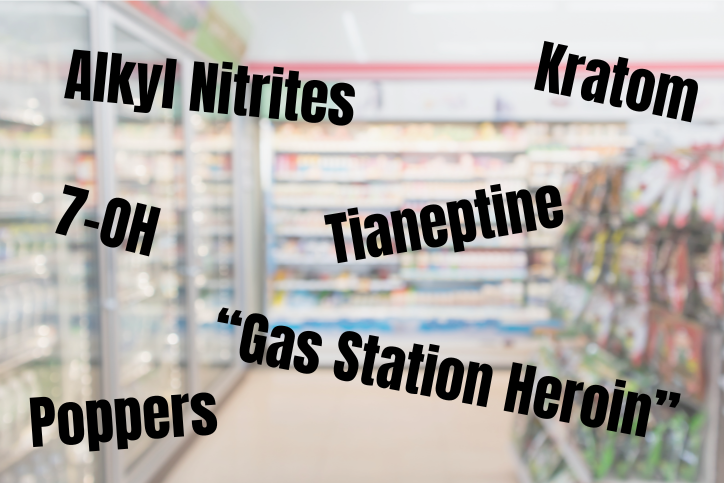
There are a variety of shops that sell products you may not know are unregulated. These kinds of shops include, but aren’t limited to, gas stations, smoke or vape shops, convenience stores, and corner stores.

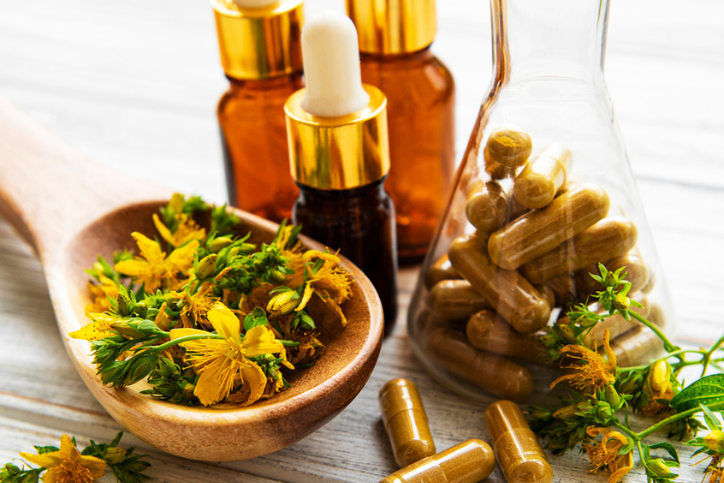
St. John’s Wort is an herbal supplement made from the yellow flowers and leaves of the shrub Hypericum perforatum. It is widely used to relieve symptoms from depression, anxiety, sleep disorders, menopause, and more.
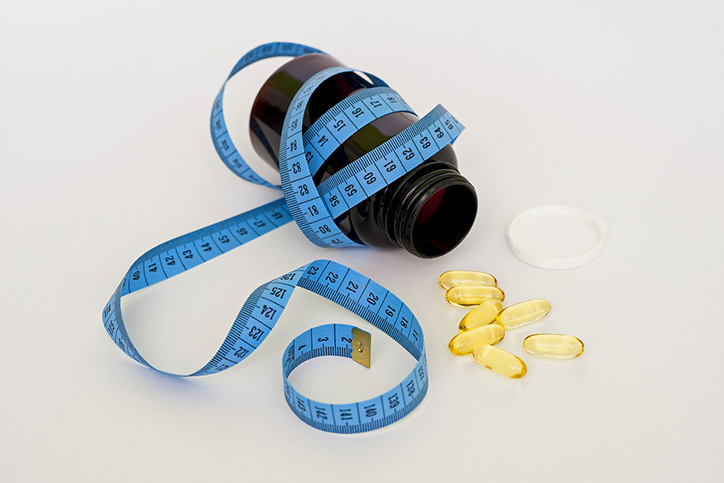
Many people choose weight loss as their new year resolution. In addition to the usual steps to achieving weight loss – setting specific and measurable goals, eating healthy, exercising, and other lifestyle changes – some people also use weight loss medicines or supplements.
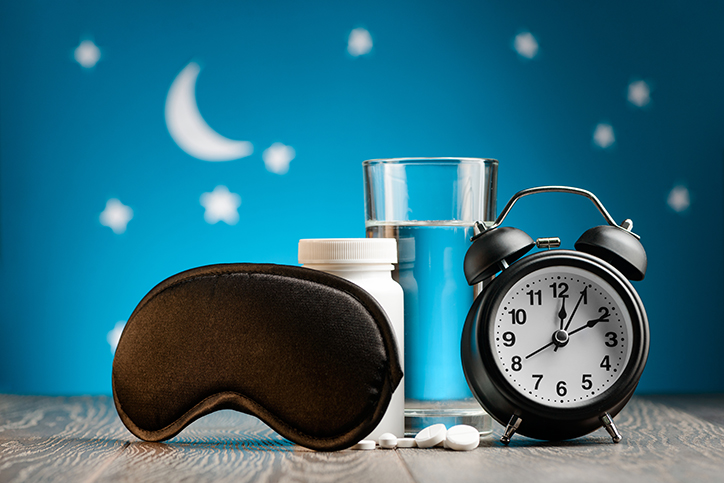
Melatonin is a natural hormone made by our bodies. It can also be taken as a dietary supplement. Melatonin can help you sleep better when used in the right way and right amount.

Whether you’ve made a new resolution or are rededicating yourself to a resolution you made last year (or many years ago), poison safety can impact the steps you take to achieve your goals.
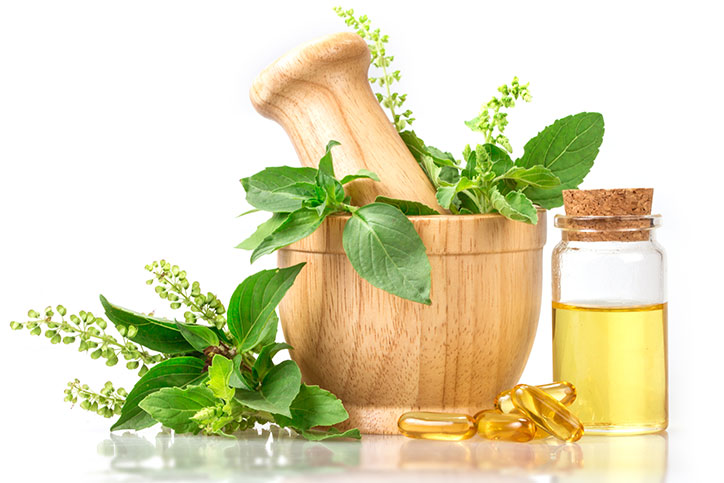
“It’s natural, so it must be safe and good for you.” Talk about a sentence that makes almost every health care provider cringe. In this post, we will thoroughly bust the myth that all herbal, natural, or organic remedies, personal care products, and cleaning products are safe and non-toxic.