

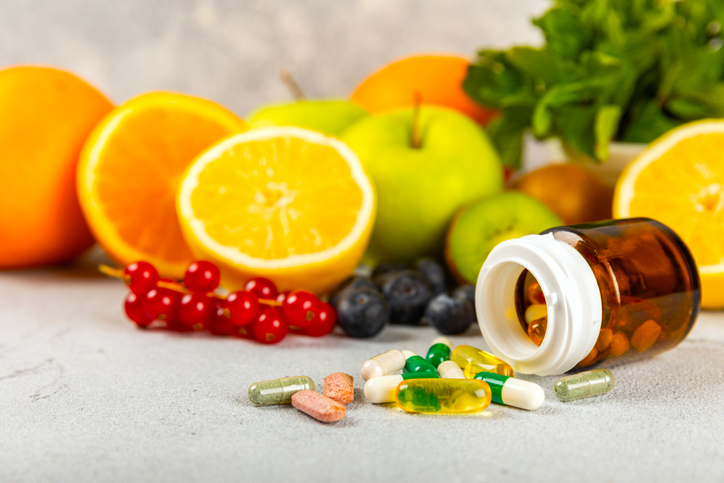
Many people take dietary supplements such as vitamins, minerals, or herbs to improve their health. It is easy to assume these products are safe as they can be readily found in stores and are usually made with natural ingredients. However, supplements are not necessarily safe, especially when taken with medicines. Let’s look at how food and supplements can interact with medicines.
Category: Poison Prevention Press

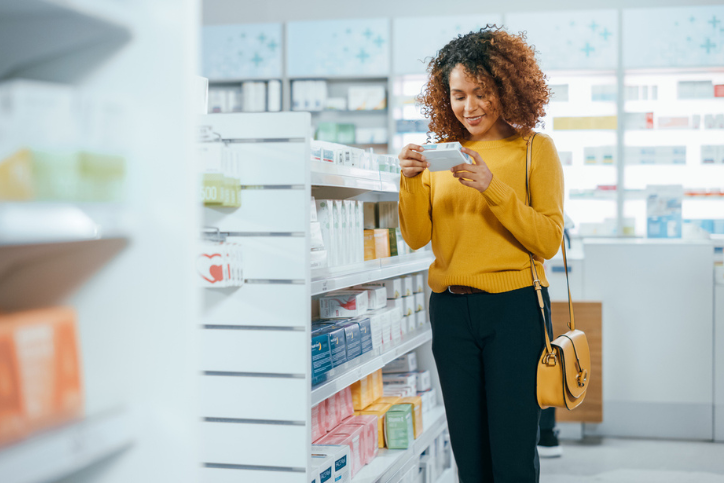
Chances are you have used an over-the-counter (OTC) medicine to treat a headache, relieve allergy symptoms, or manage a cold. Like prescription medicines, OTC medicines should be used as instructed on the label. In this blog, we’ll cover the basics of OTC medicines and ways to make sure they are being used and stored safely.
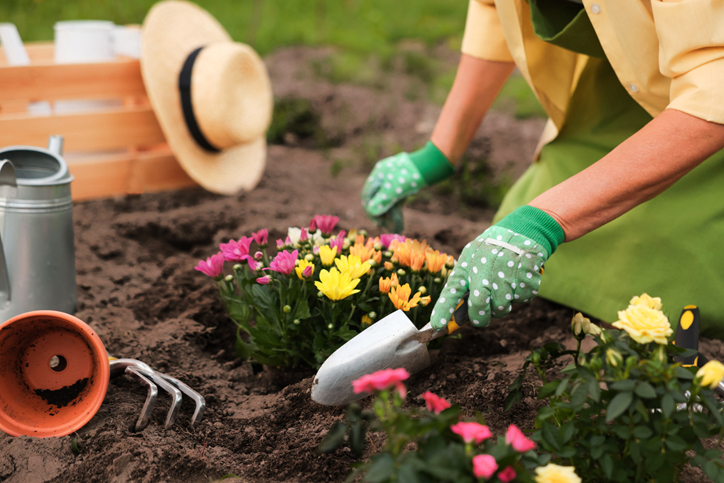
Spring and summer are times when many people explore the outdoors and tend to their gardens. While these activities can be fun and rewarding, they can also come with hidden risks.
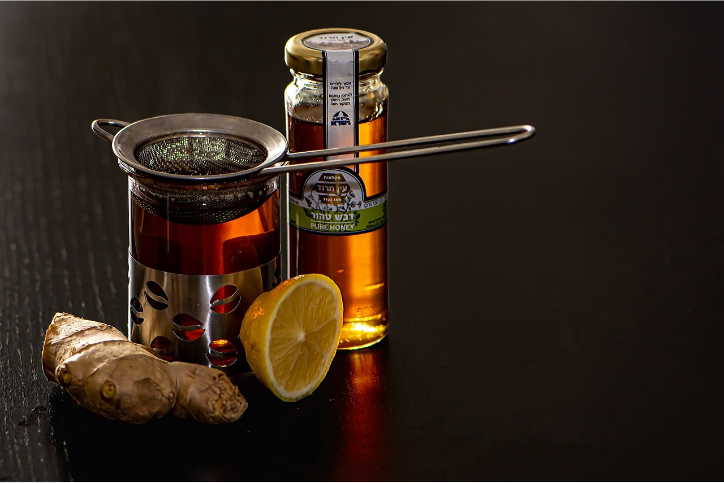
In this blog, we’ll explore common home remedies we hear about. We’ll explain why you shouldn’t use them, and suggest what to do instead.
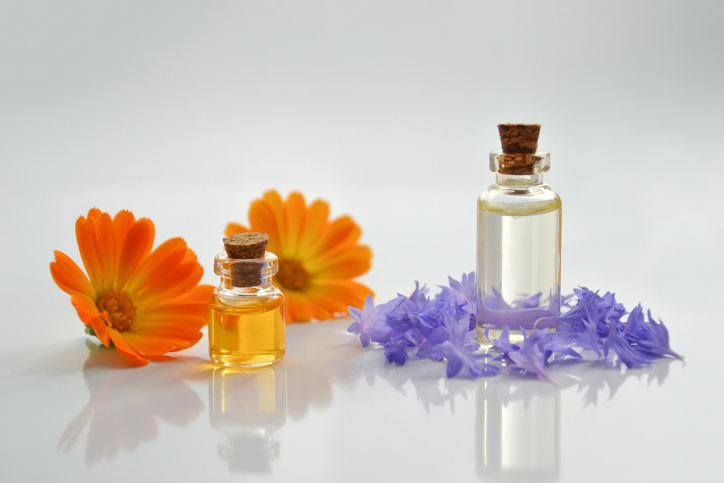
Essential oils are concentrated liquids extracted from plants. They are commonly are found in flavorings, air fresheners, soaps, perfumes, cleaning products, and used in diffusers for aromatherapy.

Travel plans bring excitement and change, but they can also bring new risks. New places, different routines, and common traveling mistakes can all increase the risk of poisonings.

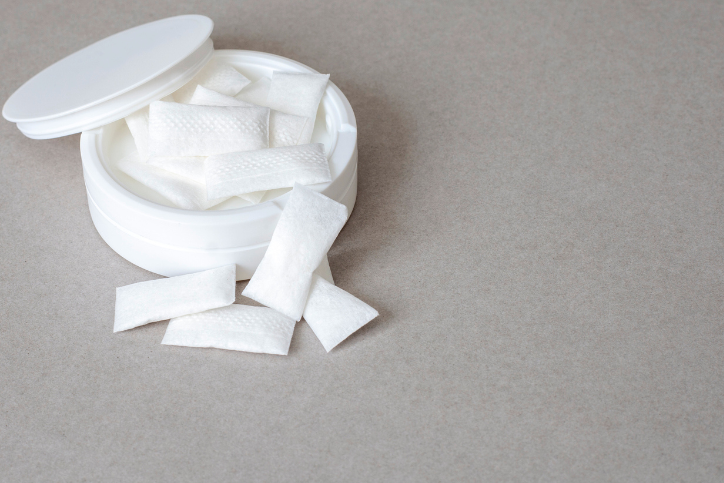
From college campuses to coffee breaks, nicotine pouches are quickly becoming a trend everyone’s talking about.

Mushroom edible products are gaining popularity for their “natural” appeal and health claims. Hidden within this trend are serious risks that consumers need to understand before taking a bite or sip.
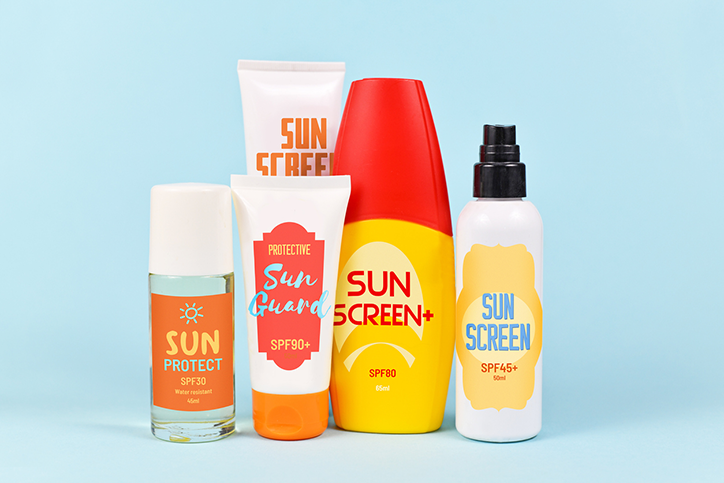
Sunscreen helps prevent sunburn and premature skin aging, and it reduces the risk of skin cancer by blocking or absorbing harmful ultraviolet rays.
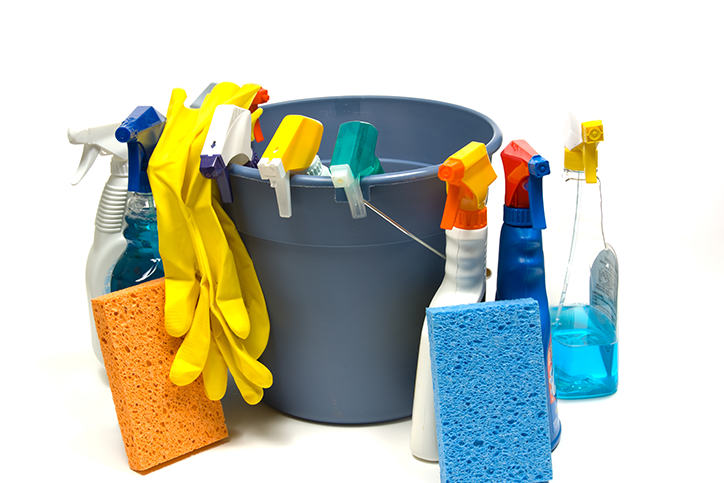
Let’s spring into cleaning safely—because sparkling countertops are great, but accidental poisonings are not!